

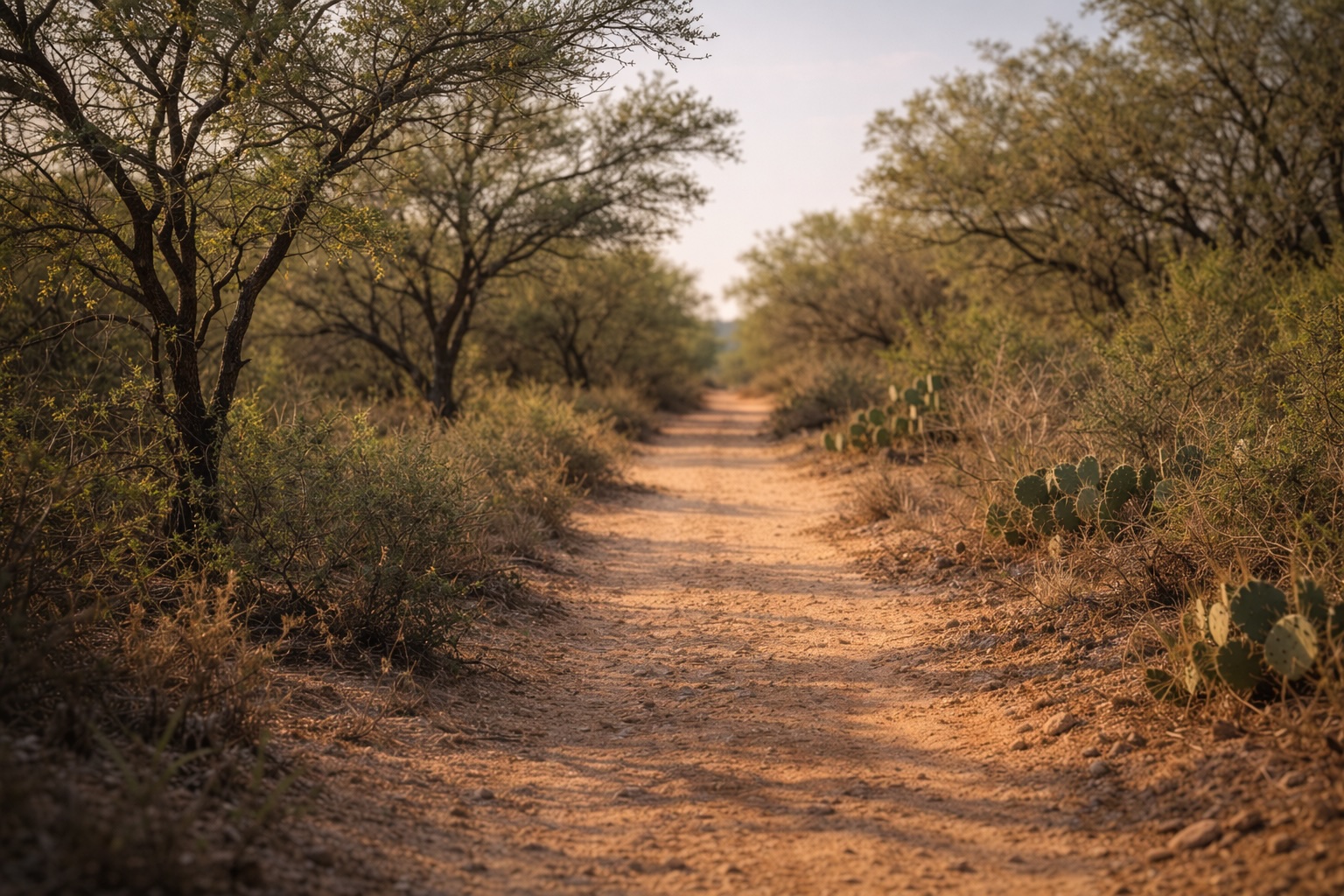
The brush country of South Texas is home to an incredible variety of native reptiles that thrive in the region’s thornscrub, mesquite flats, and sandy soils. In La Salle County, the landscape surrounding TheRanch at Camp Ka Hui ‘Ana provides habitat for many of these species, from the iconic Texas Horned Lizard to powerful predators like the Texas Indigo Snake. While many visitors come to the ranch for trophy whitetail hunting, the diversity of South Texas wildlife found here tells a broader story about the ecology and natural heritage of the South Texas Plains.
Wildlife at TheRanch at Camp Ka Hui ‘Ana extends far beyond the well-known game animals of South Texas. Visitors often come to this exclusive hunting ranch in La Salle County for trophy whitetail hunting, javelina, and native game birds, but the surrounding landscape supports an even broader range of South Texas wildlife.
From insects and rodents to birds and reptiles, every species plays a role in maintaining a healthy and balanced ecosystem. These smaller and often overlooked animals contribute to the biodiversity that supports thriving wildlife populations across the South Texas Plains. At TheRanch at Camp Ka Hui ‘Ana, that diversity is part of what makes time on the land so memorable. Whether guests come for hunting, nature observation, or private retreats, the ranch offers an up-close look at the wild character of this region.
Here are five fascinating reptiles that can often be found around in La Salle County, Texas.
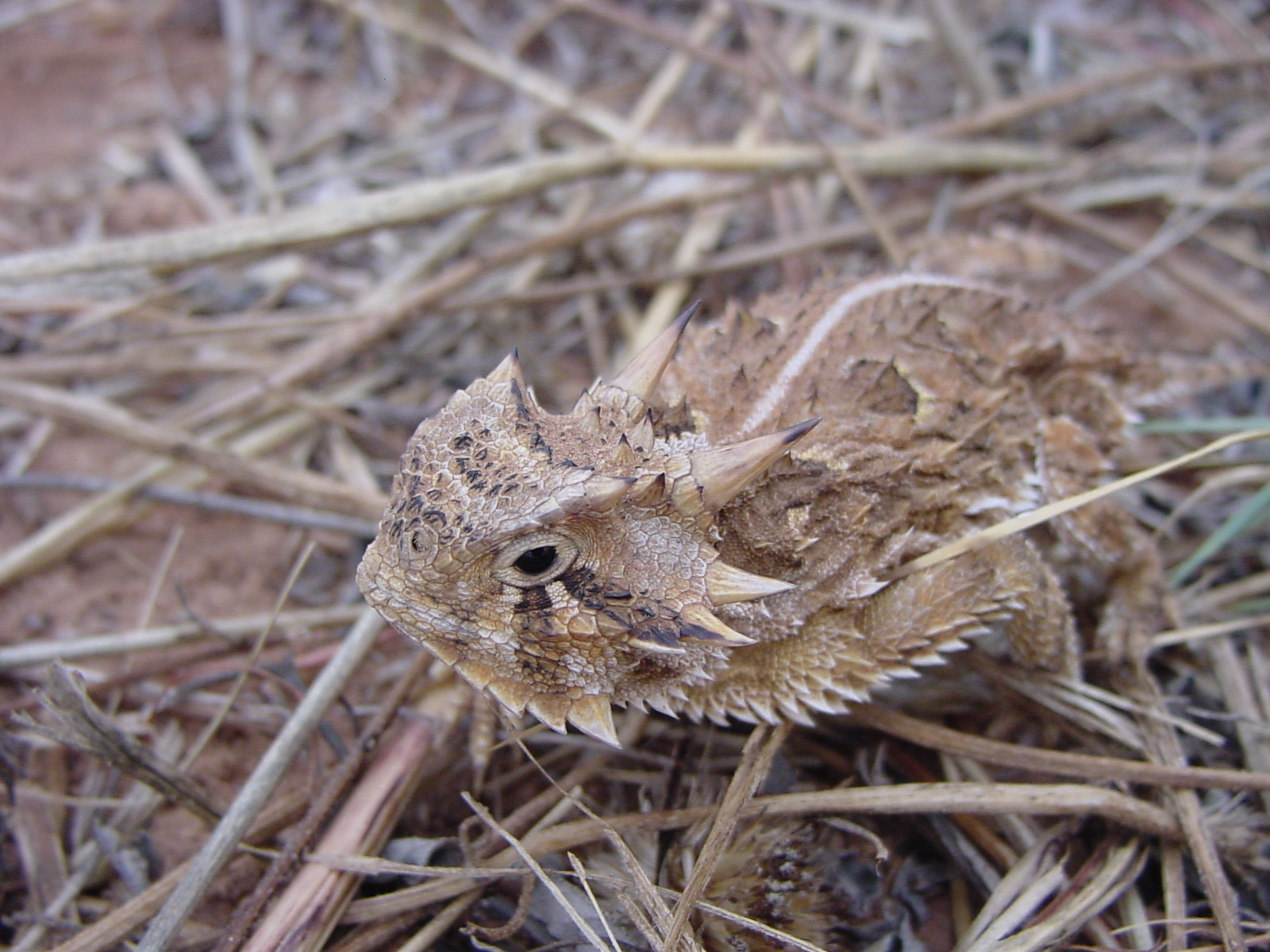
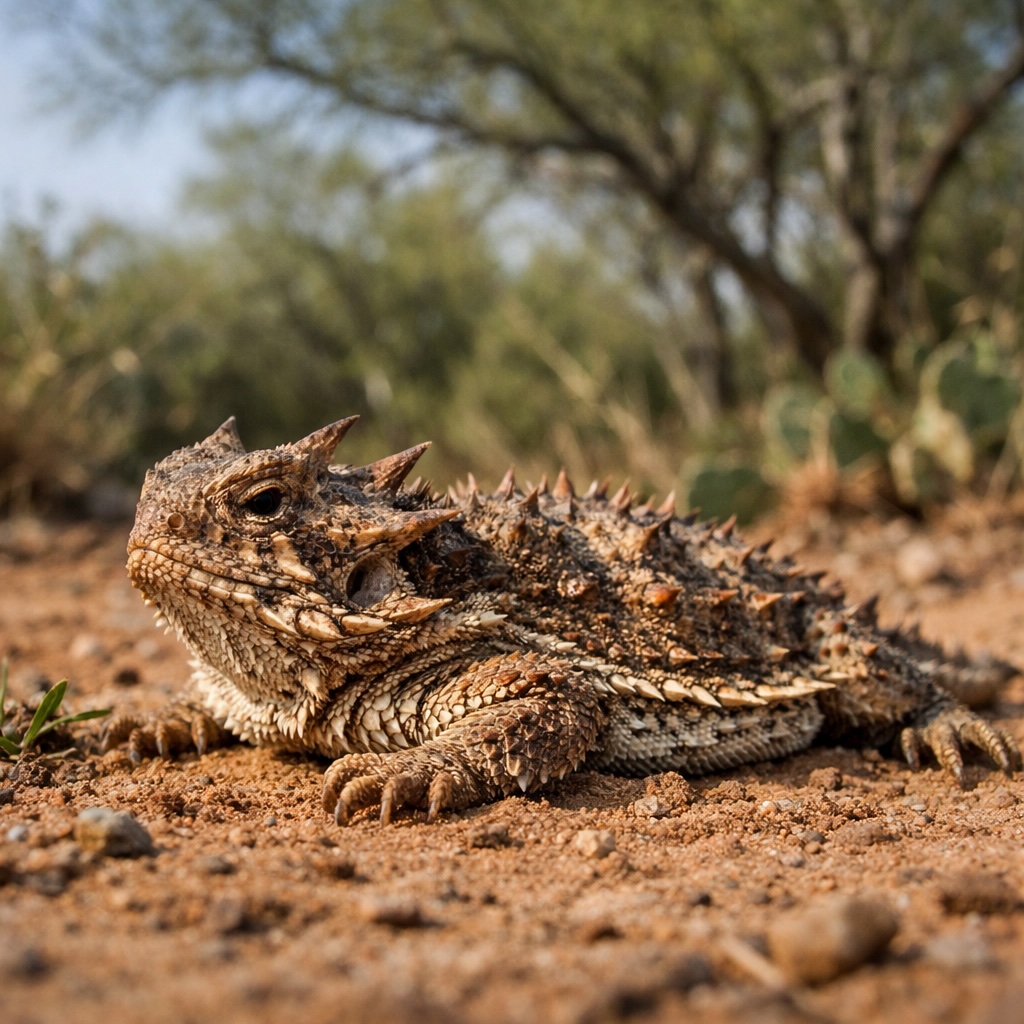
Perhaps the most iconic reptile in Texas is the Texas Horned Lizard, often affectionately called the “horny toad.” This species is the official state reptile of Texas and has long held a special place in the cultural memory of the state.
Its appearance alone makes it unforgettable. The Texas Horned Lizard is covered in sharp, spiny protrusions that help protect it from predators such as birds and mammals. But it also has one of the most remarkable defense mechanisms in the reptile world: autohemorrhaging, or “self-bleeding.” When threatened, it can raise blood pressure around the head and force a stream of blood from vessels near the eyelids. That blood contains chemicals that taste bitter to predators such as coyotes, bobcats, and raccoons.
Unfortunately, this extraordinary reptile has declined in many parts of Texas. According to the Texas Parks and Wildlife Department, habitat loss and invasive fire ants have contributed to population declines by disrupting food sources and changing the landscape these lizards need to survive. Because of that, it is illegal to capture, possess, or disturb them in Texas.
If you are fortunate enough to see one at TheRanch, enjoy the moment, take a few pictures, and leave it exactly where it is. Encounters with a Texas Horned Lizard are a special reminder of the native heritage of South Texas wildlife.
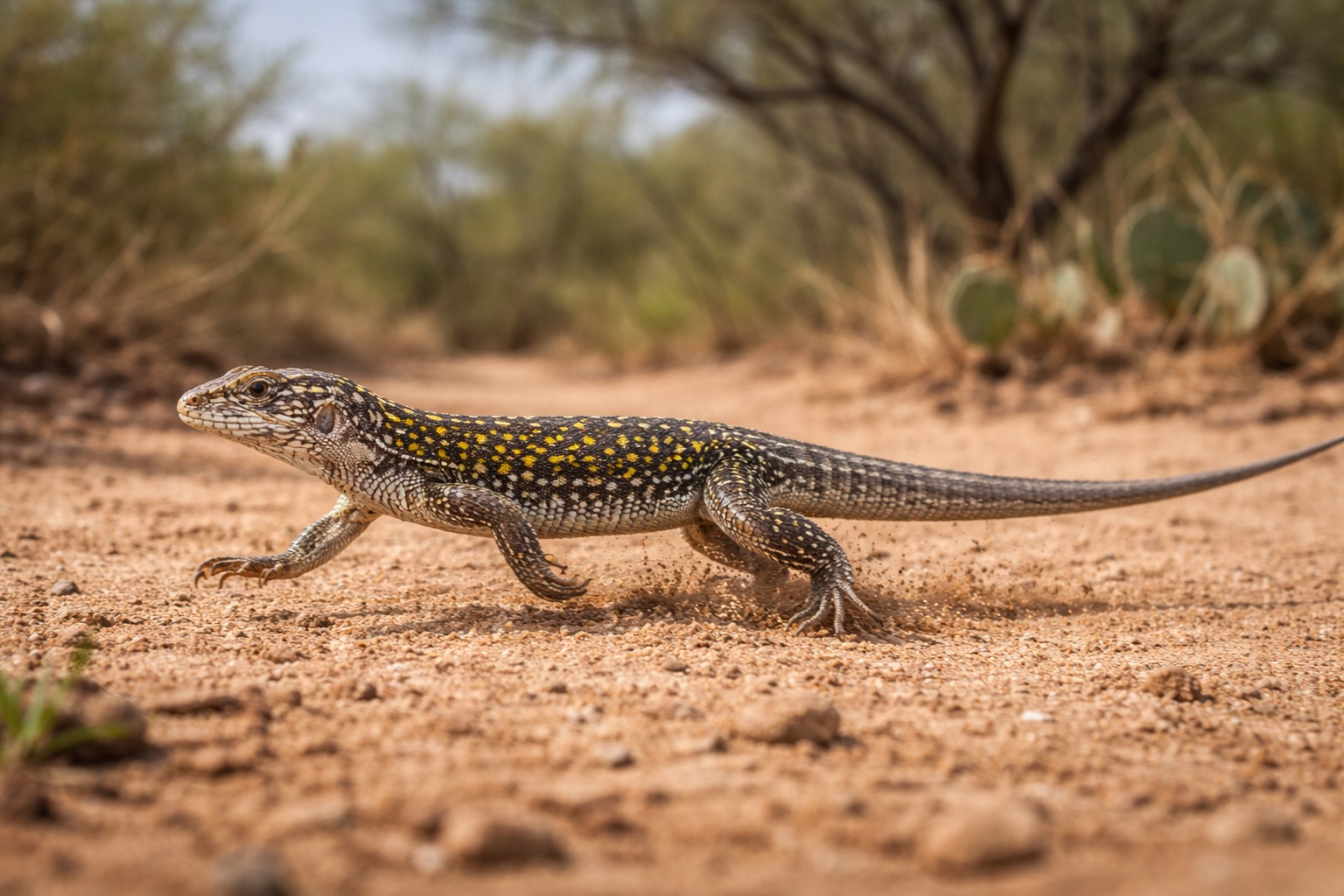
Another frequent reptile around about is the Texas Spotted Whiptail. Outside Texas, it is sometimes called the Common Spotted Whiptail, but here in its stronghold, the Texas name fits it well.
These lizards are best known for speed. They are incredibly alert, fast-moving reptiles that dart in quick bursts across open ground while foraging for insects and other small prey. Some reports have clocked whiptails at speeds approaching 18 miles per hour, which makes them one of the more difficult reptiles to photograph in the field.
Their constant motion and wariness mean they often disappear into cover before a person can get close. Still, they are common in the South Texas brush country and help control insect populations throughout the ranch ecosystem. On warm days, it is not unusual to catch a glimpse of one zig-zagging through sandy soil, low grasses, and thornbrush.
For guests spending time outdoors at this exclusive hunting ranch, the Texas Spotted Whiptail is another example of how much life exists here beyond the larger game animals that usually draw attention.
The Texas Spiny Lizard is another familiar sight around, though it occupies a different niche than the whiptail.
While whiptails are usually seen on the ground, Texas Spiny Lizards prefer vertical surfaces. They are often found clinging to the bark of honey mesquite trees, moving along live oaks, resting on wood piles, or hiding in woody brush while searching for insects. Their rough scales give them a rugged appearance that helps them blend in with bark and weathered wood.
At first glance, people sometimes mistake them for horned lizards because of their spiny look. But the differences are easy to spot once you know what to watch for. Texas Spiny Lizards have a longer, more slender build, less dramatic body spines, and different coloration. Males often show blue patches or blue striping along the sides of the belly, which is one of the easiest ways to tell them apart.
This species is a good reminder that South Texas wildlife is shaped by microhabitats. Even within one ranch property, different reptiles thrive in different parts of the landscape. That means every mesquite trunk, brush pile, and oak limb may hold something worth noticing.
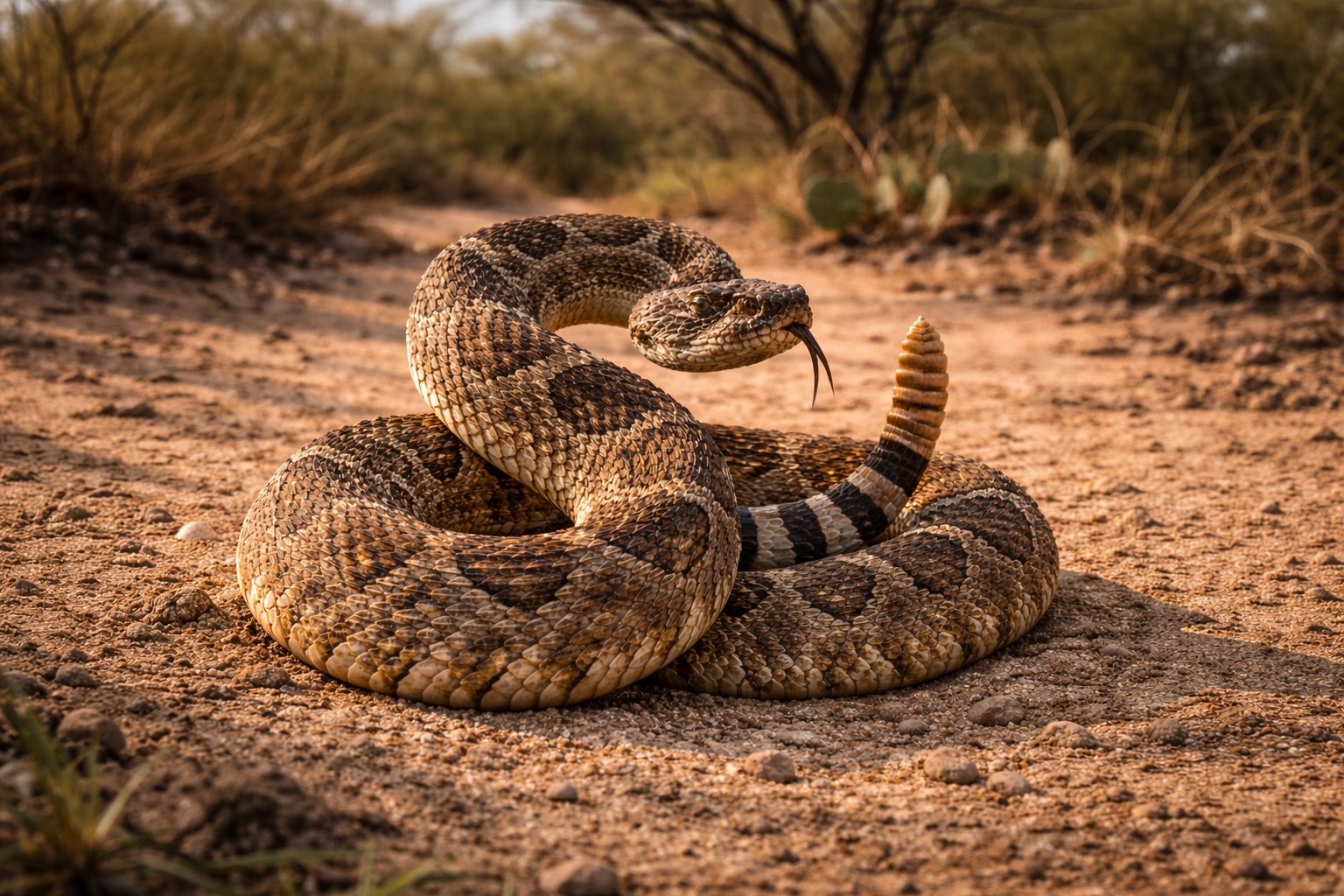
Of the reptiles on this list, the Western Diamondback Rattlesnake is the most famous and the most misunderstood.
This venomous snake can deliver a serious bite and should always be treated with caution and respect. A rattlesnake may strike at a distance of roughly one-third to two-thirds of its body length, so giving it plenty of space is essential. In many cases, a Western Diamondback gives a warning before striking by vibrating the rattle at the end of its tail, producing the unmistakable sound that tells nearby animals, and people, to back away.
Even so, rattlesnakes are often feared far more than they are understood. They are an important part of the South Texas wildlife community because they help control rodents and maintain ecological balance. Without predators like these, prey populations can rise in ways that affect crops, forage, and habitat health.
Some biologists have also suggested that in areas where rattlesnakes are frequently killed by people, individuals that rattle less may have a survival advantage. While behavior varies by snake and situation, the idea reflects an important truth: human pressure can influence wildlife behavior over time.
The Western Diamondback is respected as part of the natural system. It deserves space, caution, and a clear-eyed understanding rather than Hollywood-style fear.
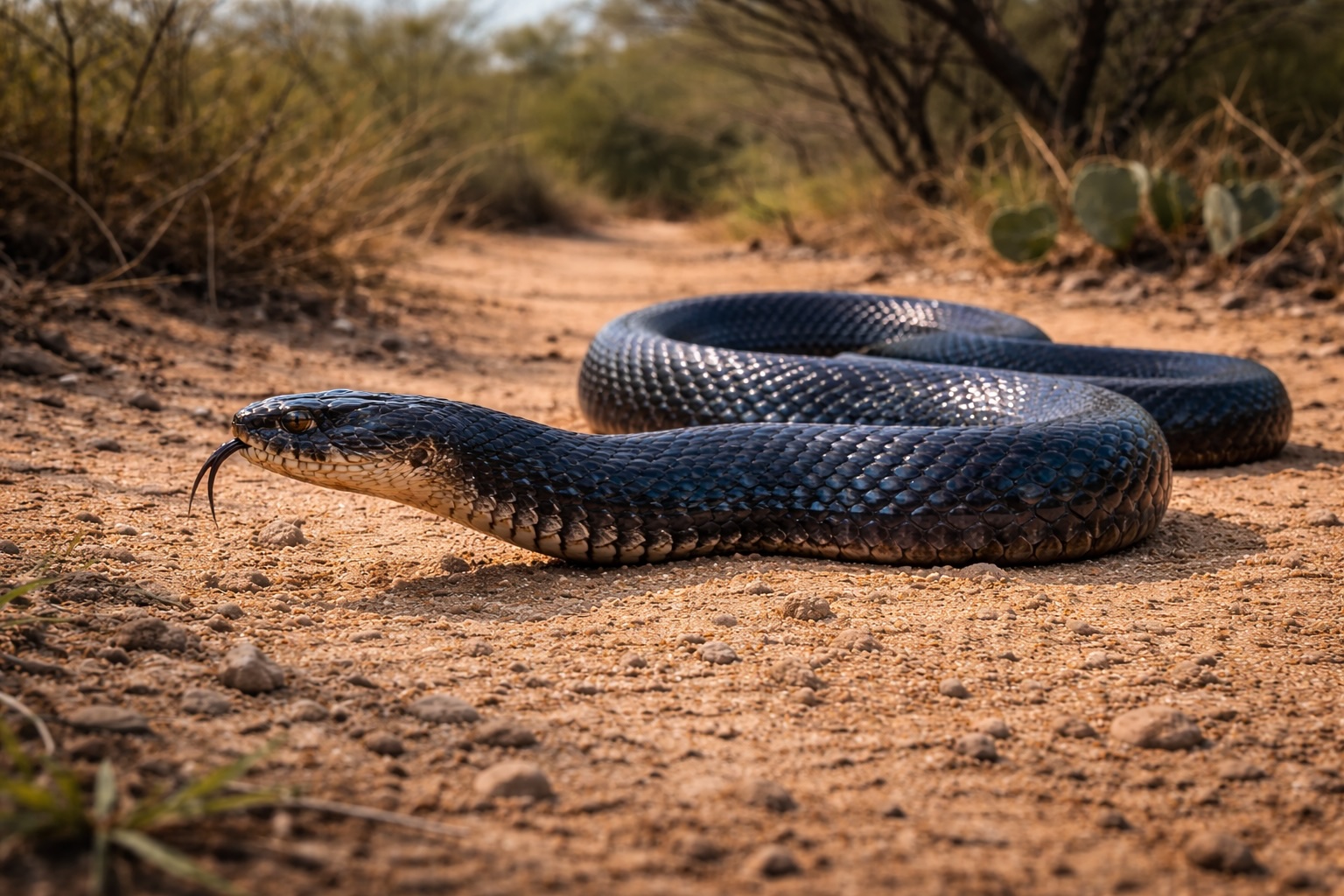
The Texas Indigo Snake may be the most impressive reptile found around TheRanch at Camp Ka Hui ‘Ana.
These large, nonvenomous snakes have a deep glossy blue-black coloration that can look almost royal blue in the right light. Indigo snakes are powerful, active predators and stand near the top of the reptile food chain in this part of Texas.
Their diet is broad, but what makes them especially fascinating is that they will prey on other snakes, including venomous ones such as the Western Diamondback Rattlesnake. Texas Indigo Snakes have a strong resistance to rattlesnake venom, though not complete immunity. Combined with their size and strength, that resistance allows them to overpower rattlesnakes and consume them head-first.
Because of their ecological importance and legal protection, Texas Indigo Snakes should not be captured, possessed, or disturbed. Like horned lizards, they are a species people should admire from a respectful distance.
Their presence also tells an interesting story about balance on the land. Abundant indigo snakes may be one reason rattlesnakes seem less common than some visitors might expect. In that way, one reptile helps shape the visibility of another, which is exactly the kind of interconnected story that defines South Texas wildlife.
One of the defining qualities of TheRanch at Camp Ka Hui ‘Ana is the sheer diversity of wildlife found across the property. Many guests first discover the ranch through its reputation for trophy whitetail hunting, but time on the land often opens the door to a deeper appreciation of the broader natural world that makes this part of South Texas so special.
From reptiles and birds to deer, javelina, and native brush country species, the ranch reflects the ecological richness of La Salle County. For hunters, photographers, and guests seeking private retreats, the experience is about more than one species. It is about being part of a living landscape shaped by heritage, habitat, and the rhythms of the South Texas Plains.
Boone and Crockett Club. Boone and Crockett Club.
Texas Parks and Wildlife Department. Texas Parks and Wildlife Department.
Texas State Historical Association. South Texas Plains.
Texas State Historical Association. La Salle County.
Share this post: on Twitter on Facebook on LinkedIn
